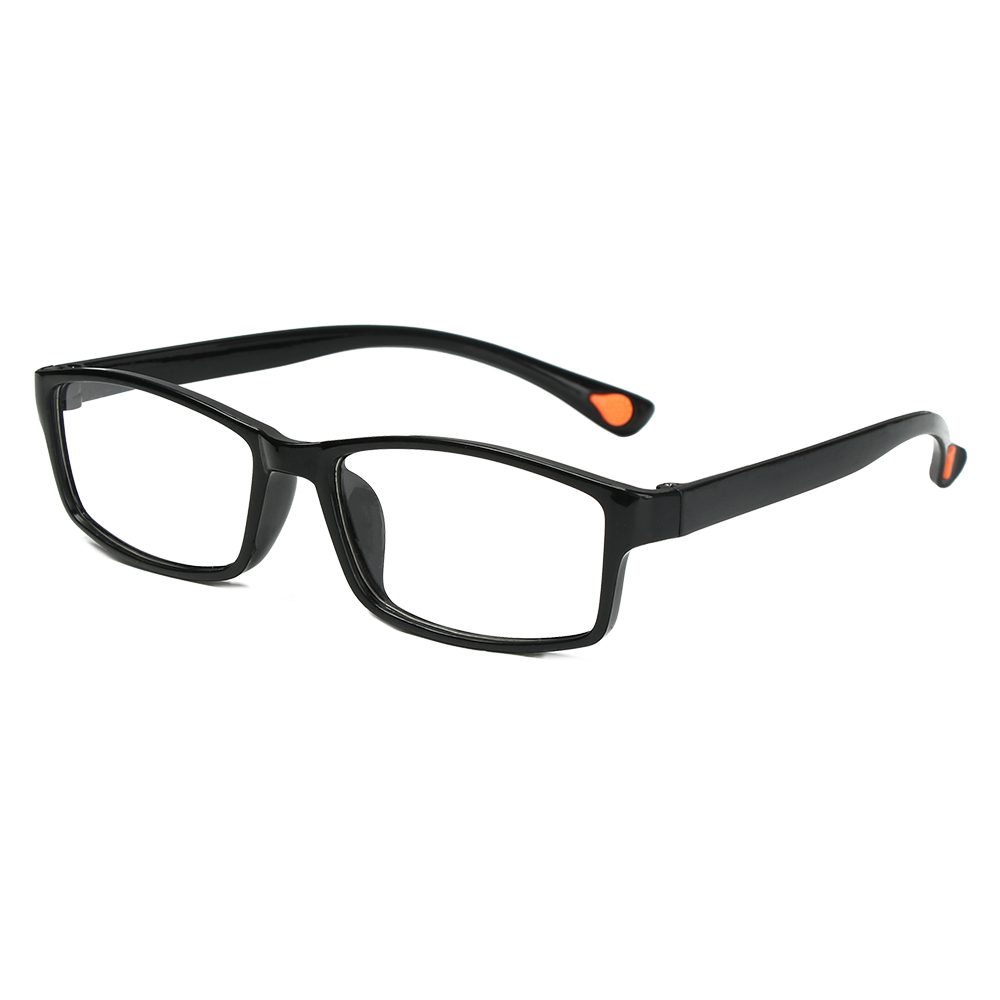
I used to believe these myths about progressive bifocal reading glasses. Here's the truth that changed how I shop. Don't buy your next pair before you read this. Knowing these facts can save you money and give you clearer vision.
Here's what they don't tell you: not all progressive bifocal reading glasses are made the same. Many people think a 'progressive' lens is just a progressive lens. This idea often leads to bad experiences.
Some shoppers find this out the hard way. Imagine buying new glasses online, excited for better vision. Then they arrive, and you hear yourself say, "I bought cheap 'progressive' glasses online, but the vision felt warped. I kept moving my head to find clear spots. Total waste!" This frustration comes from low-quality lenses that have narrow vision zones or distorted edges.
The Truth: Quality DOES matter. Good progressive lenses, like Mozaer's Anti-fatigue HD Reading Glasses, use advanced designs. These designs create wider, clearer fields of vision for different distances. This makes adapting to them much easier. They give you a smooth change from reading up close to seeing things far away. This prevents that "warped" feeling.
When you get quality, you're not just buying glasses. You're buying comfort and clear sight. Like one happy customer said about their experience getting proper vision correction, they were "happy and satisfied with what I’ll be wearing for the next year of my life." This kind of satisfaction comes from lenses that work as they should.
Verdict: Always check the lens technology. Look for terms like "HD" or "anti-fatigue." These usually mean better design and a smoother visual experience.
Many people have a friend or family member who struggled with progressive lenses. This creates a myth that everyone will have a hard time. You might have heard someone say, "Tried progressive lenses once and hated them. Made me dizzy! Never again. It's just too hard." This experience is real for some, but it's not the whole story.
The Truth: Adaptation difficulty often links to poor quality lenses or incorrect prescriptions/fittings. When the lenses aren't made well, or if the measurements are off, your brain struggles to adjust. Cheap lenses can have very small reading areas or too much blur on the sides. Quality progressive bifocal reading glasses are designed for an easier transition.
Good lenses work with your natural eye movements. They offer smoother shifts between vision zones. The right help also makes a big difference. One review highlighted, "Dr. Cox was very patient and well experienced in finding the proper vision correction for me." This shows that expert care and proper fitting are key to a good experience. While Mozaer provides glasses online, their Anti-fatigue HD lenses are designed to reduce strain and make adjustment simpler for a wide range of users, fitting into well-measured prescriptions.
Verdict: Don't give up on progressive lenses based on one bad story. Choose glasses with advanced lens designs and ensure your prescription is accurate. High-quality options aim to make adjustment easier, not harder.
It's easy to think that if you buy glasses from an online store, you're on your own if something goes wrong. Some worry about hearing, "My online glasses arrived wrong, and I couldn't get anyone to help. They just blamed my prescription. Had to buy new ones." This fear keeps many from trying online options.
The Truth: Reputable online brands stand behind their products. They know good service builds trust. While you might not have a local "Dr. Joe" to walk you through everything, good online stores offer support, clear return policies, and will fix problems. Just like the customer who had a local issue resolved, "There was a small issue with one lense having arrived scratched and they fixed the problem no questions asked." This shows that problem-solving is a sign of a good company.