Have you ever felt like you're just throwing money away on something that should be simple, like a decent pair of half glasses reading glasses? I know I have. For years, I went through one cheap pair after another, always hoping the next one would be "the one." Looking back now, I'm amazed at how much time and money I wasted. If I had to estimate, I probably spent well over $150 on flimsy, ineffective glasses. And that doesn't even account for all the hours I lost searching online, waiting for deliveries, and dealing with the annoyance of blurry vision or frames that broke almost immediately.
It's an easy trap to fall into. You spot a low price, think "why not give it a try?", and end up with something that barely works. This cycle of buying, feeling disappointed, and then buying again isn't just frustrating—it ends up being incredibly expensive over time. I really wish I had known sooner what to look for and, more importantly, what to steer clear of.
My biggest regret was constantly giving in to the temptation of super cheap half glasses reading glasses. At first glance, they always seemed like a great deal. "Only $10!" I'd tell myself. But these glasses rarely lasted more than a few weeks. The frames bent out of shape easily, the screws came loose, and the lenses scratched almost the moment I took them out of the case. Sometimes, they felt like nothing more than fragile plastic, hardly doing what glasses are actually meant to do.
I remember one pair in particular where the lenses felt like plain clear plastic, with no real vision correction at all. It was like wearing sunglasses that didn't block the sun—completely pointless. Many of the cheap pairs felt this way, as if they were made without any real consideration for how people actually use them. Instead of clear vision, they gave me headaches. It just goes to show: if something seems too good to be true, it usually is.
Verdict: Don't focus solely on the price tag. Extremely low prices usually mean low quality. Consider how much you'll end up spending to replace them again and again. It's better to invest in something built to last.
Another major source of regret was trusting product descriptions that didn't reflect reality. So many budget reading glasses make bold promises like "anti-blue light" protection or "high-definition clarity." I fell for these claims more times than I'd like to admit. I'd receive the glasses, excited for my eyes to feel less strained, only to discover there was no noticeable difference. The so-called "anti-blue light" coating was often either non-existent or so weak it made no impact.
It felt like ordering a specific type of contact lens and receiving a piece of plastic that simply doesn't work. You can't tell if it's right until you open the package and try it on, but by then they often say it's too late to return it! This happened with my reading glasses, too. Sometimes the strength felt off, or the lenses were blurry in certain spots. It turned reading into a chore and even caused eye pain after a while. I felt deceived and helpless.
Verdict: Be wary of big claims from unfamiliar sellers. Check whether the advertised features are supported by genuine user experiences, not just marketing language. Quality should be evident, not just promised.
My pattern of poor purchases really underscored my failure to do proper research. I often bought on impulse, especially when I needed new half glasses reading glasses right away. I didn't take the time to compare different brands, read reviews thoroughly, or look for photos from actual buyers. I'd simply pick the pair that looked acceptable and had a decent star rating, without looking any deeper.
This approach led to plenty of disappointment. If I had invested just a little more time in research, I would have noticed the red flags in the lower-rated reviews. For instance, some reviews mentioned terrible customer service or products that simply didn't work as advertised. You learn a great deal by paying attention to what people didn't like, not just what they did. I realized that reading only the positive reviews isn't enough—you need the complete story.
Action Step: Make research a regular part of your buying process. Don't skip this crucial step. Research: Look into different brands and product types.Compare: See how features and prices measure up against each other.Check Reviews: Read both positive and negative feedback, and seek out real buyer photos. This gives you a true sense of what the product looks like and how it performs.Buy: Only proceed with a purchase once you feel confident in your choice.
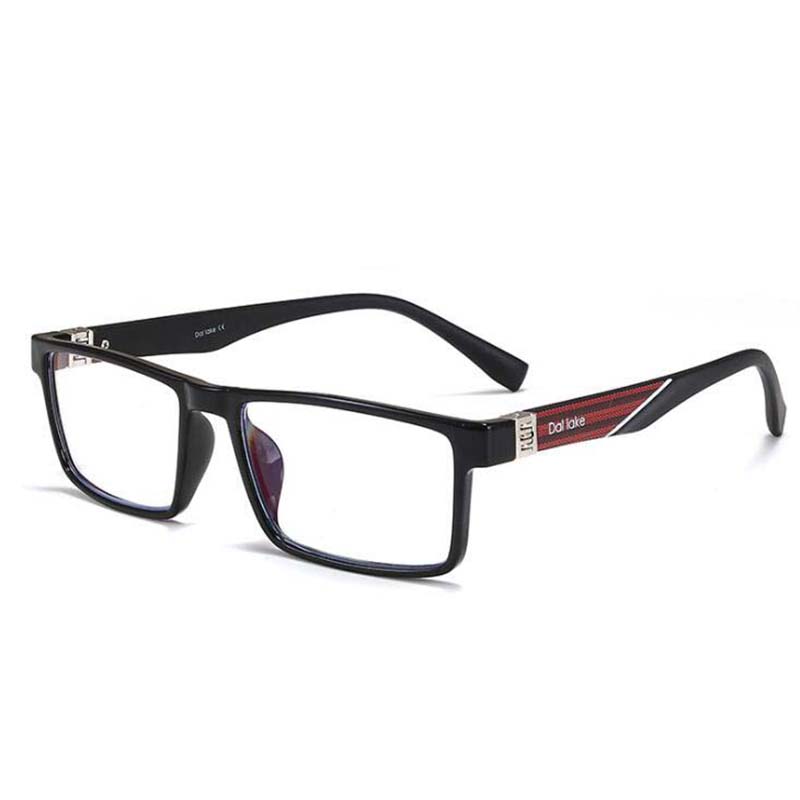
After so many bad experiences and wasted effort, I was almost ready to give up on finding good half glasses reading glasses online. But then, I came across Mozaer. When I finally tried Mozaer's Men High-definition Square Anti Blue Light Presbyopic Glasses, I felt immediate relief. It was like I had been fumbling in the dark, and suddenly someone switched on the lights.
The difference was obvious from the moment I put them on. The lenses were sharp, truly high-definition, and the anti-blue light feature actually worked, reducing eye strain during long reading sessions. The frames felt solid, well-constructed, and comfortable—nothing like the flimsy plastic I was accustomed to. It was such a refreshing change to find a product that delivered exactly what it promised.
What also stood out was the overall experience. Just as Callahan Lieungh noted about great service, finding both quality and clear communication with a brand makes all the difference. The care and attention put into the product and its service were evident. It felt like I was dealing with people who genuinely understood what good eyewear should be. I finally found the quality and service I needed with Mozaer Glasses. It wasn't just a product; it was a real solution.