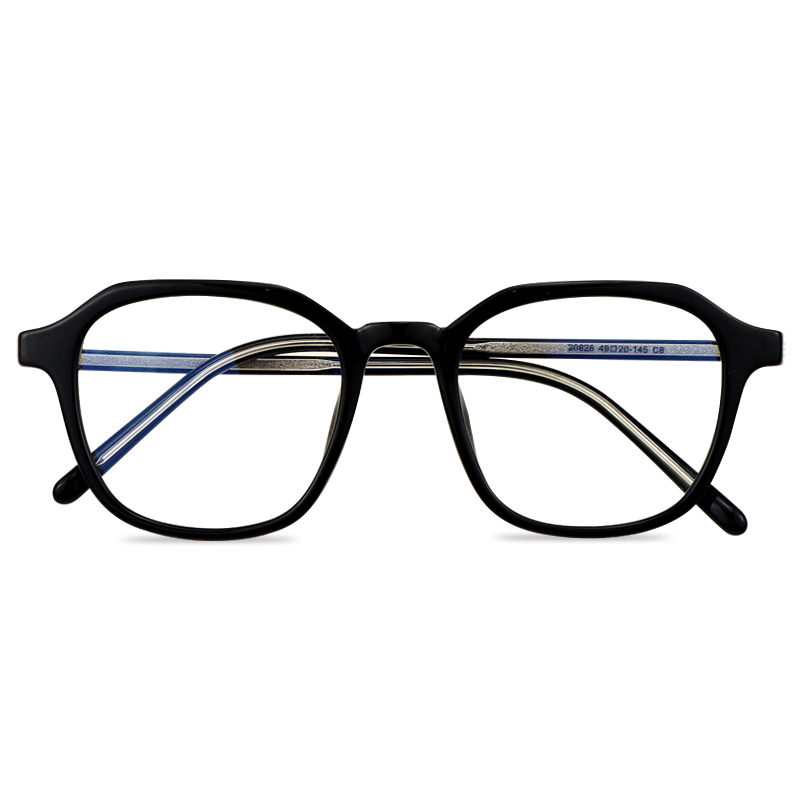
Don't buy new glasses before you read this. I want to share a story about how I finally found clarity and comfort, and why it matters so much to us busy women.
Last Tuesday, I was sitting at my favorite cafe, trying to read a new novel. One minute, I was enjoying the story, the next, I was squinting at the menu board across the room. Off came my reading glasses. Then, a friend walked in, and I needed to see her face clearly. On came the glasses again, then off to see the menu. It was a constant dance, a frustrating cycle of putting glasses on and taking them off. I felt like I was playing a never-ending game of peek-a-boo with my own vision.
I’d tried other solutions, of course. I once spent a lot of money on what I thought would be "the" perfect pair of progressive glasses. They promised everything: clear vision for reading, computer work, and even distance. But when I got them, it was a nightmare. The clear spots were so tiny, like looking through a keyhole. I had to move my head up and down constantly, just to see anything clearly. My neck ached, my eyes strained, and I ended up taking them off more often than I kept them on. One doctor even told me I just needed to "learn to use them." Learn to hurt my neck and strain my eyes? No thank you!
I also remember a time I tried getting glasses online. It seemed easy. But after several attempts, sending blurry glasses back and forth, and dealing with complicated store credit rules, I gave up. It felt like I was throwing money away, and I still didn’t have glasses that worked. It was clear that getting good progressive lenses, especially women's progressive readers that actually work for a dynamic life, was harder than it seemed.
Verdict: Don't settle for glasses that make you work harder. Your vision should adapt to you, not the other way around.
I was starting to lose hope that I’d ever find a comfortable, all-in-one solution. Then, a friend mentioned her new Mozaer Photochromic TR90 Reading Glasses. She raved about how lightweight they were and how she could read her phone inside and then walk outside without switching to sunglasses. That caught my attention! I was tired of carrying multiple pairs of glasses everywhere I went.
I decided to check them out for myself. I visited the homepage and started reading. What really stood out were the features: Photochromic lenses that change with the light, TR90 frames for flexibility and lightness, and anti-glare properties for computer work. It sounded like they had thought of everything I needed, addressing all the frustrations I’d had with previous glasses. I thought, "Could these actually be the women's progressive readers I've been looking for?"
Verdict: When you're looking for new glasses, research brands that specifically address common progressive lens problems like narrow fields of vision and the need for multiple pairs. Look for specific features like photochromic lenses and durable, lightweight frames.
The first day my Mozaer Photochromic TR90 Reading Glasses arrived, I was cautiously optimistic. As soon as I put them on, I felt a difference. They were incredibly light – I barely noticed them on my face. The frames felt sturdy but flexible, not like they would snap if I accidentally sat on them (which, let's be honest, has happened before!).
But the real magic was in the lenses. I could look at my book, then easily glance at my laptop screen, then look across the room without any head-bobbing or searching for the "sweet spot." It was smooth, natural vision, like I had when I was younger. No more double vision at the top, no more straining to read at the bottom. The anti-glare feature made a huge difference during my long hours in front of the computer, too. My eyes felt less tired at the end of the day.
A week later, I found myself in that same cafe, but this time, things were different. I was reading my book, looking up at the menu, then greeting my friend who just walked in – all without once touching my glasses. When I stepped outside into the bright sunshine, the lenses gently darkened, protecting my eyes without me having to fumble for sunglasses. My friend even asked, "Where did you get those fantastic glasses? They look great!" I just smiled and told her about my new Mozaer glasses.
Verdict: Quality progressive lenses should offer seamless vision transition and eye comfort. Consider lightweight materials like TR90 and photochromic lenses for added convenience and protection.